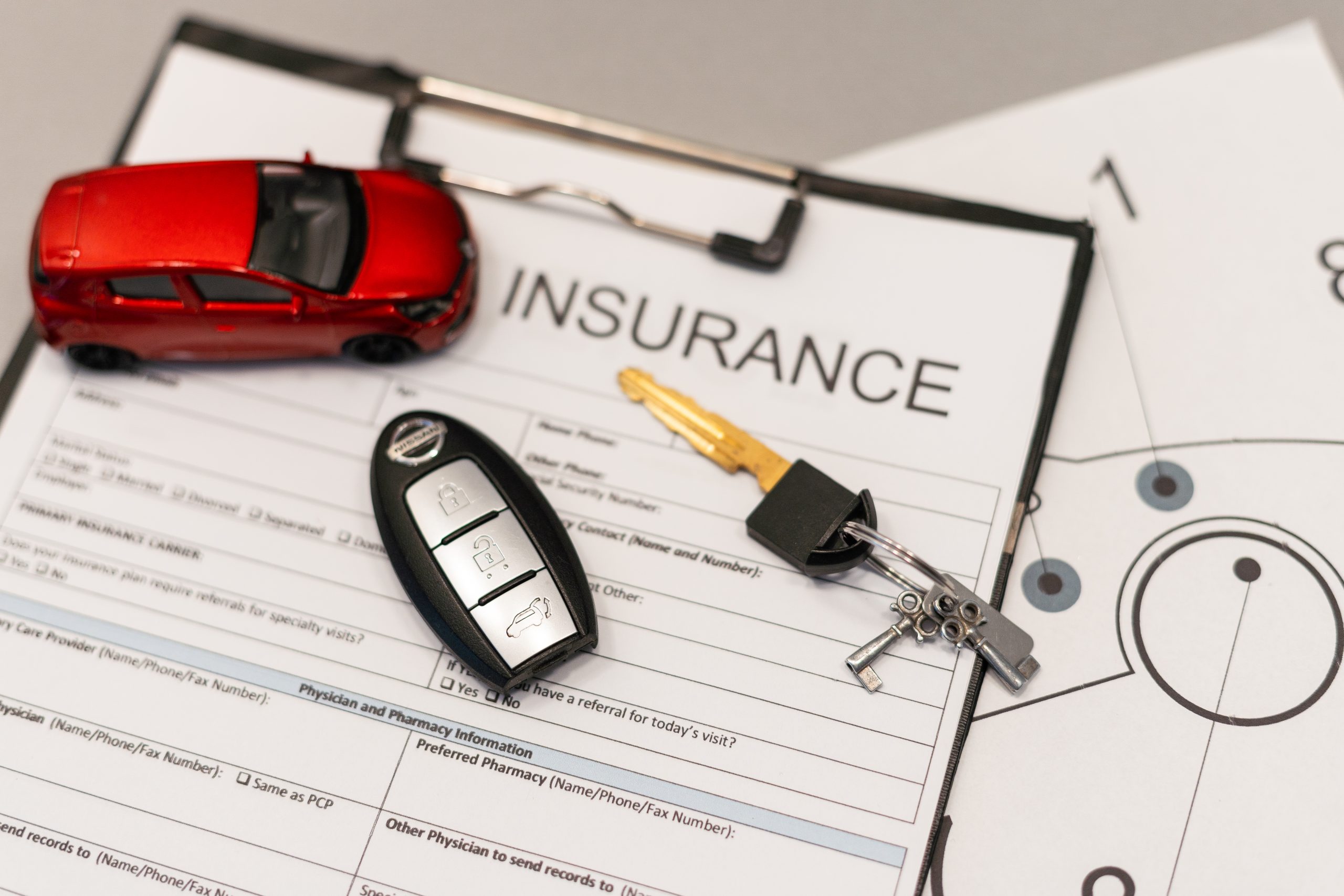




Short answer: yes. If you drive in California, car insurance isn’t optional; it’s the law. But there’s more to it than just staying legal. Here’s what every California driver needs to understand about car insurance requirements, consequences, and why the minimum coverage may not be enough.
Is Car Insurance Required in California?
Yes, car insurance is required in California. State law mandates that every driver carry proof of financial responsibility, and for most people, that means having an active auto insurance policy. You need insurance to register your vehicle, and you must carry proof of coverage (such as an insurance ID card) every time you drive.
California is not unique in this requirement. In fact, the only state that does not broadly mandate car insurance is New Hampshire, and even there, drivers must carry it after an at‑fault accident. Every other state, including California, requires at least minimum liability coverage.
What Does California Require?
As of January 1, 2025, California’s minimum liability limits are:
- $30,000 for injury or death to one person
- $60,000 for injury or death to all people in one accident
- $15,000 for property damage in one accident
This is commonly referred to as 30/60/15 coverage and represents the bare minimum needed to drive legally. While it satisfies the law, it may not be sufficient in a serious accident, especially given current medical and repair costs, so many drivers choose higher limits or add collision and comprehensive coverage for better protection.
What Happens If You Drive Without Insurance?
The consequences of driving uninsured in California are serious:
- Fines starting at $100 for a first offense and up to $500 or more for repeat violations
- Vehicle impoundment
- License suspension
- Personal liability for all damages and medical bills out of your own pocket if you cause an accident
No insurance means no financial protection for you or anyone you might injure on the road.
Why the Minimum May Not Be Enough
California’s minimum coverage sounds like it covers the basics, but consider this: the average cost of a car accident with injuries can easily exceed $30,000. If damages surpass your policy limits, you’re personally responsible for the difference.
That’s why many drivers choose to carry more than the state minimum. Here are the most important additional coverages to consider:
Collision — Covers damage to your own car after an accident, regardless of fault. Required by most lenders if you’re financing your vehicle.
Comprehensive — Covers non-collision damage like theft, vandalism, fire, or hail.
Uninsured/Underinsured Motorist (UM/UIM) — Offers protection when you’re involved in an accident with a driver who lacks adequate insurance coverage. In California, approximately 1 in 6 drivers is uninsured — making this coverage especially valuable.
Medical Payments (MedPay) — Helps cover medical expenses for you and your passengers after an accident, regardless of who caused it.
Gap Insurance — If you owe more on your car loan than your car is worth and it gets totaled, gap insurance covers the difference so you’re not stuck making payments on a car you no longer have.
When Is Extra Coverage Worth It?
If you have a car loan or lease, your lender will require collision and comprehensive coverage, so it’s not optional anyway. But even if your car is paid off, the right coverage depends on your vehicle’s value, your savings, and how much financial risk you’re comfortable taking on.
The cheapest policy isn’t always the right one. A low premium can mean high out-of-pocket costs when something goes wrong.
Drive Protected in Lancaster, CA
At The Edgar Ortiz Agency, we offer auto insurance coverage that meets California’s legal requirements and actually protects you when it matters most. As a local insurance agency in Lancaster, we provide policies tailored to your situation so you’re fully covered without overpaying.
Call us at 661-270-3200 or get your free auto insurance quote today.